
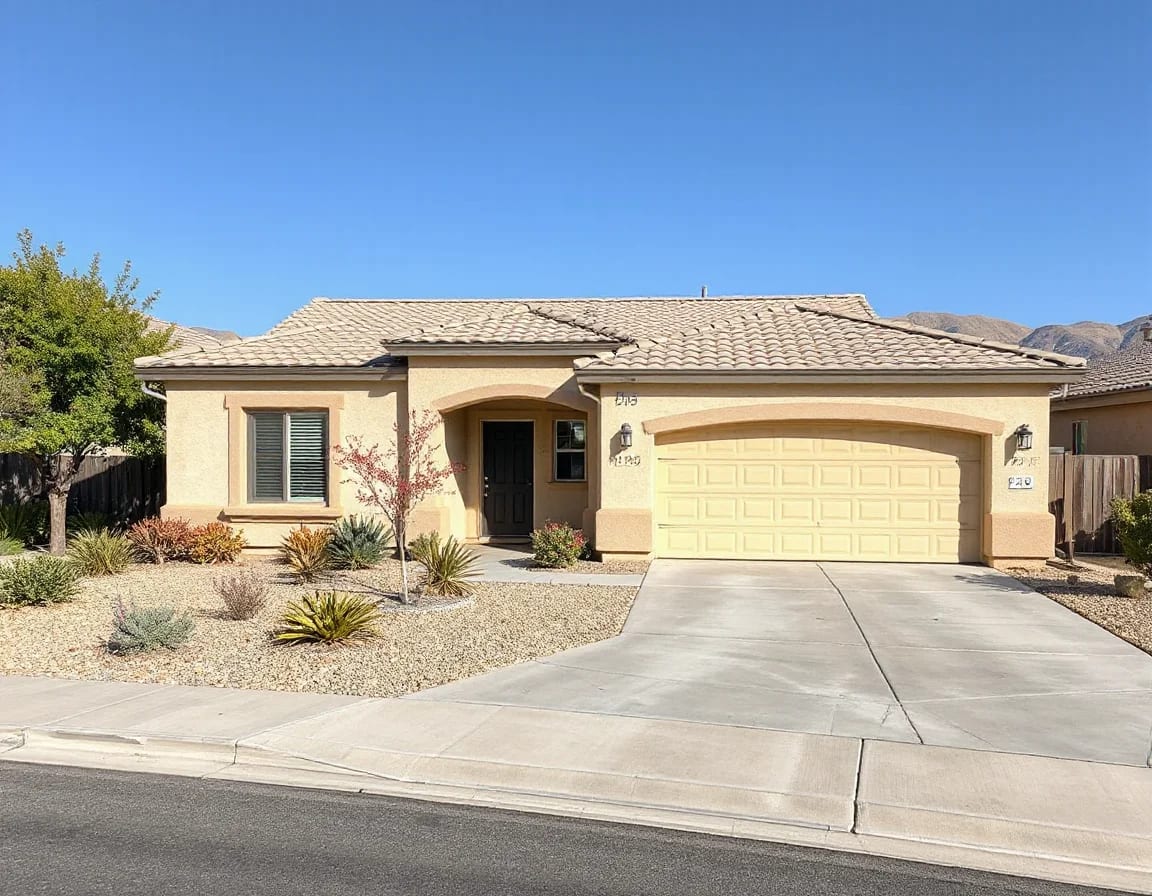
A newer Menifee home and a resale can both be smart choices, but their true costs show up in different places: purchase price, upgrades, maintenance, financing, taxes, and timing. Comparing the full picture—not just the listing price—can help you choose a property that fits your priorities with more confidence.
Start With the Total Cost, Not the Model-Home Feeling
New construction has an understandable pull. Fresh finishes, unused appliances, current building standards, and the chance to select certain details can make a newly built home feel straightforward. Resale homes, meanwhile, may offer established landscaping, completed neighborhoods, and a clearer view of what the property and surrounding streets look like on an ordinary day. In Menifee, the better option is often less about “new versus old” and more about how each home’s complete costs line up with your budget, timeline, and preferred level of customization.
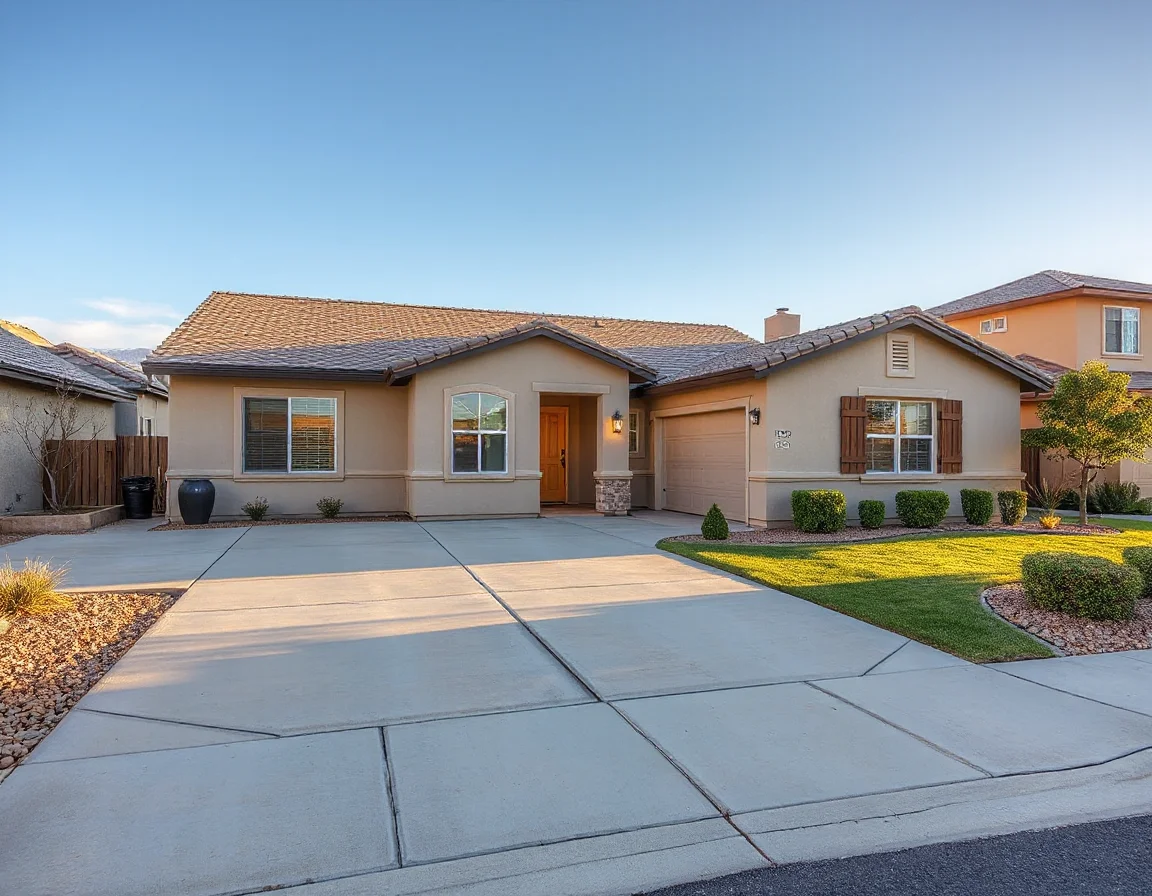
With a newly built home, the advertised base price is only the beginning of the conversation. Structural choices, flooring, cabinets, counters, electrical additions, appliance packages, window coverings, backyard work, and landscaping can all add to the final number. Some upgrades are selected before closing and may be rolled into the purchase price, while others are completed afterward with separate cash reserves. It is useful to ask for a written list that distinguishes included features from optional upgrades, along with estimated completion dates for anything still being installed.
A resale listing can be easier to evaluate because many improvements are already visible. Mature plants, patios, ceiling fans, blinds, storage systems, and finished outdoor areas may be part of the transaction. That does not mean a resale is automatically less expensive; an updated property can command a premium, and an older home may require near-term repairs. Still, buyers can inspect the actual condition of the roof, HVAC equipment, appliances, surfaces, drainage, and landscaping before making a decision.
A base price and a resale list price are not apples-to-apples until you account for included features, planned upgrades, closing costs, and the funds needed after move-in.
Financing deserves equal attention. Builder incentives can sometimes help with closing costs, interest-rate options, or design selections, particularly when a buyer uses a preferred lender. Those offers may be valuable, but compare them with an independent loan estimate and review the rate, points, lender fees, and loan terms together. For a resale, a seller may be open to concessions depending on market conditions, the home’s time on market, and the overall offer. The most useful comparison is the total cash needed to close and the projected monthly payment for each specific property.
Look Beyond the Walls: Location, Taxes, and Ongoing Expenses
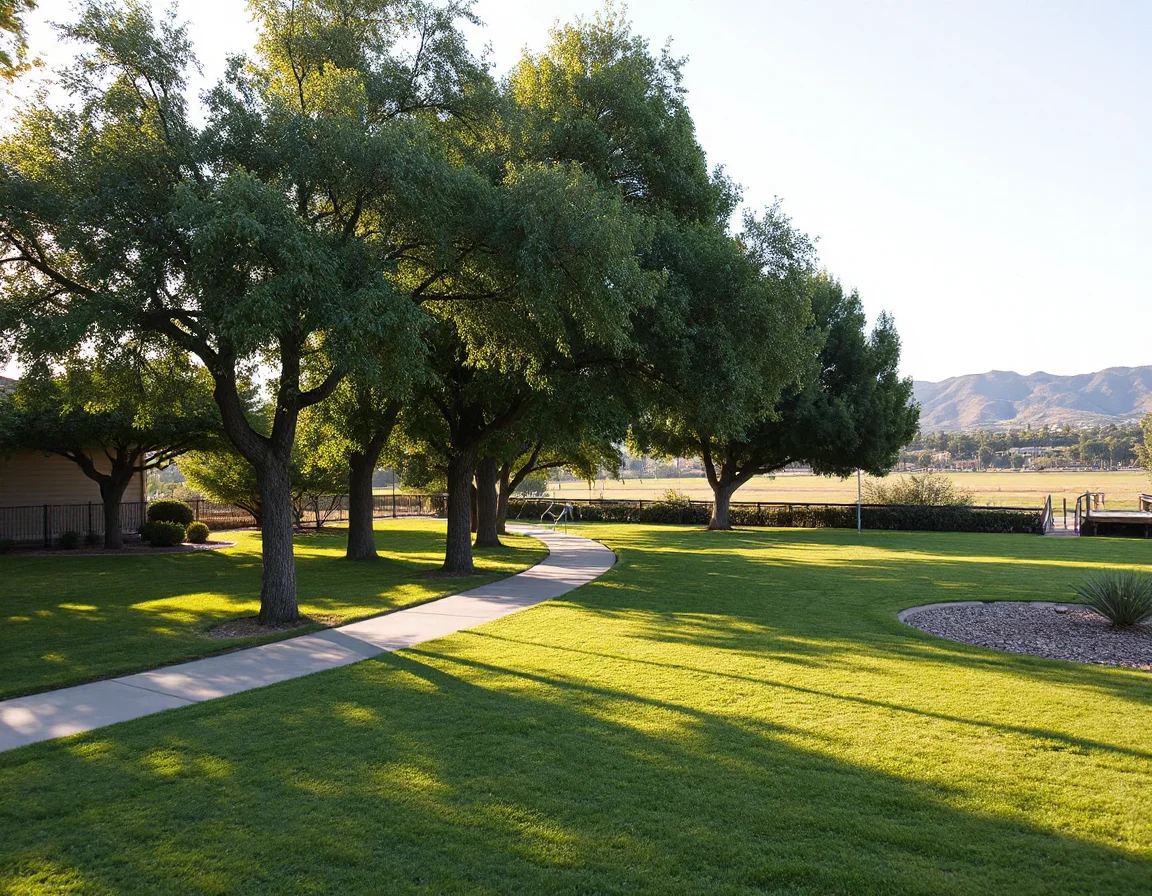
A home’s setting shapes daily ownership as much as its floor plan. Newer Menifee communities may include recently completed roads, recreation areas, trails, and community amenities, while construction activity can continue nearby as the area develops. Resale areas may have more established streetscapes and a longer operating history for homeowner associations, if applicable. Touring at different times of day can reveal traffic patterns, sunlight, parking conditions, noise from ongoing construction, and the practical feel of routes to major roads, parks, and local services.
Property taxes can be a major distinction. A new home may be subject to special assessments or community facilities district charges in addition to standard property taxes. These charges vary by development and can affect the monthly payment, so request the current tax estimate for the exact lot rather than relying on a general percentage. A resale property may also carry assessments, and its tax bill can change after a sale. Reviewing the preliminary title report, tax information, and lender estimate helps prevent surprises.
HOA dues call for the same careful review. The monthly amount is only one part of the story. Ask what services, facilities, reserves, rules, and maintenance responsibilities are included. For a resale, buyers can typically review governing documents, budgets, meeting materials, and disclosures during the contingency period. For a newer community, request the current rules and confirm whether dues, amenities, or phases of development are expected to change as construction progresses.
Energy use can favor a newer property, especially where updated insulation, windows, HVAC systems, and appliances are part of the design. Solar arrangements require their own review: determine whether a system is owned, financed, leased, or subject to a power-purchase agreement, and understand any transfer requirements. Resales may have newer components too, particularly when owners have renovated thoughtfully. Instead of assuming one category will cost less to operate, compare disclosures, utility history when available, equipment ages, warranties, and inspection findings.
For any property with HOA dues, solar, or special assessments, build those line items into the monthly payment before deciding what feels comfortably affordable.
Time, Condition, and Negotiating Leverage Matter
Timing can push the decision in either direction. A quick move may favor a completed resale or an inventory home that is already finished. A home still under construction can offer a longer runway to plan a move, but completion dates may shift because of permitting, materials, weather, or construction schedules. Ask for the builder’s estimated timeline in writing, clarify which milestones trigger deposit and closing obligations, and keep flexibility in any lease or sale-of-current-home plans.
A resale purchase often offers more direct visibility into the finished product. A professional home inspection can identify maintenance items and help buyers prioritize repairs, credits, or future projects. Inspection is useful for a newly built home as well. Even with builder warranties and municipal inspections, an independent inspector can document visible issues before closing and during any builder walkthrough. Keep a detailed record of warranties, manuals, paint colors, product information, and service contacts from day one.
Negotiation styles differ, but both paths have opportunities. A resale offer may include price, credits, repair requests, closing timing, and personal property where permitted. A builder may be less flexible on base price yet more open to financing incentives, upgrade packages, or a completed inventory home. Conditions vary by property, so the strongest approach is to focus on the net result rather than one headline concession. A lower rate, closing-cost credit, included appliance package, or repair agreement can be meaningful if it supports your overall plan.
Choose the Home That Supports Your Next Chapter
There is no universal winner between a Menifee newer home and a resale. A new build may be the right fit when you value current systems, warranty coverage, and the ability to make design choices before move-in. A resale may stand out when you prefer an established setting, finished outdoor spaces, a specific location, or the ability to evaluate the home exactly as it stands. Both can offer excellent possibilities when the due diligence is thorough.
Create a side-by-side worksheet for each property. Include purchase price, estimated loan payment, taxes, assessments, HOA dues, insurance, utility expectations, closing costs, upgrades, repair reserves, landscaping, window coverings, and moving expenses. Then add the less numerical factors: preferred closing date, tolerance for projects, construction activity, commute routes, and how the layout works for your everyday routines. A clear worksheet can turn a vague comparison into a practical decision.
With broker-level perspective and more than 36 years of experience, Wesly Iniguez and LA Best Homes can help buyers evaluate the details behind each option—from homes and units to land opportunities across Southern California. The goal is not to push one category over another, but to help you understand the tradeoffs, ask informed questions, and move forward with a plan that feels well considered.
Talk through your Menifee home options
Whether the right address is newly completed or has years of established character, confidence comes from reviewing the full cost of ownership and the facts specific to that property. Take the time to compare documents, walk the neighborhood, inspect carefully, and weigh the features that will matter long after closing day.