

The purchase price is only the starting point of a Downey home budget. Before writing an offer, account for the cash needed at closing, lender and escrow charges, inspections, insurance, and the first round of repairs or move-in expenses. A clear cost plan can help you compare homes with confidence instead of stretching your budget after the keys are in hand.
Start With the Cash You Need Before Closing
It is easy to focus on the monthly payment when browsing homes in Downey, but the earliest expenses usually arrive well before the first mortgage statement. Some costs are due when an offer is accepted, others are paid during escrow, and several begin immediately after closing. Building a separate purchase-cost fund can make the process feel more predictable and can help keep your down payment from doing all the work.
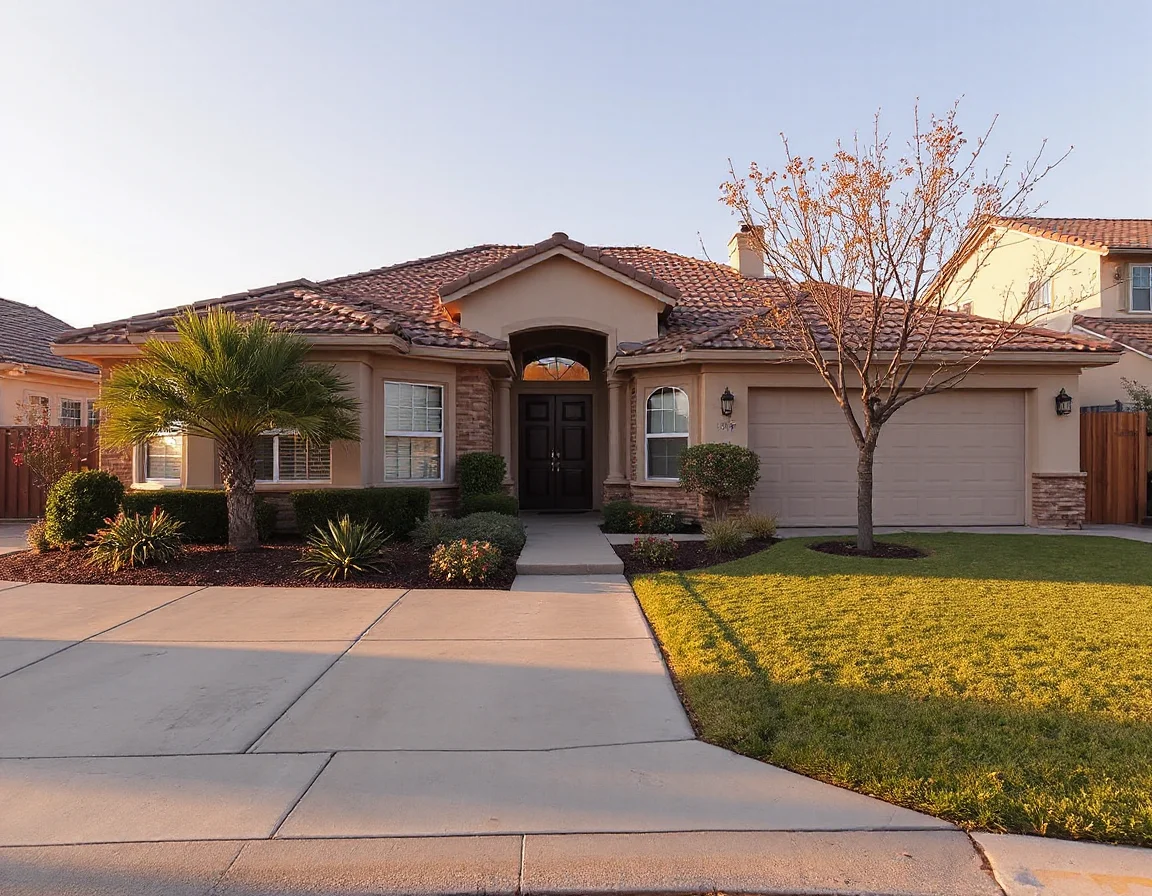
1. Down payment. This is the largest line item for many buyers, but it is not always a fixed percentage. Conventional, FHA, VA, and other loan programs can have different minimum requirements, and a larger down payment may affect monthly costs, mortgage insurance, or the strength of an offer. The right amount depends on the loan, the property, and how much reserve cash you want to retain after closing. Ask a lender for scenarios rather than assuming that one percentage fits every purchase.
2. Earnest money deposit. After an offer is accepted, buyers commonly provide an earnest money deposit that is held in escrow and generally applied toward funds due at closing. The amount is negotiable and should be considered alongside the contract timeline and contingencies. It is not an extra fee when the transaction closes as planned, but it is money that must be accessible early in the process. Review the purchase agreement carefully so you understand deposit deadlines and how contingency periods work.
3. Closing costs and lender charges. Loan origination charges, appraisal fees, title services, escrow services, recording fees, credit reports, and other transaction charges can add up. The exact total varies with the loan type, the purchase price, negotiated terms, and the providers involved. Your lender’s Loan Estimate and the escrow documentation are important tools for comparing expected costs. Request them early, then leave room in your budget for updates if the loan structure or closing date changes.
A useful planning target is to keep the down payment separate from closing funds and a post-closing reserve. Seeing those three buckets independently can prevent a strong offer from becoming an uncomfortable move-in budget.
Plan for the Property, Not Just the Transaction
Once the offer is accepted, the home itself begins to reveal another group of expenses. Even a carefully maintained property can have systems, finishes, or monthly obligations that deserve attention before contingencies are removed. These costs are not meant to discourage a purchase; they are meant to give buyers a fuller picture of what ownership may require.
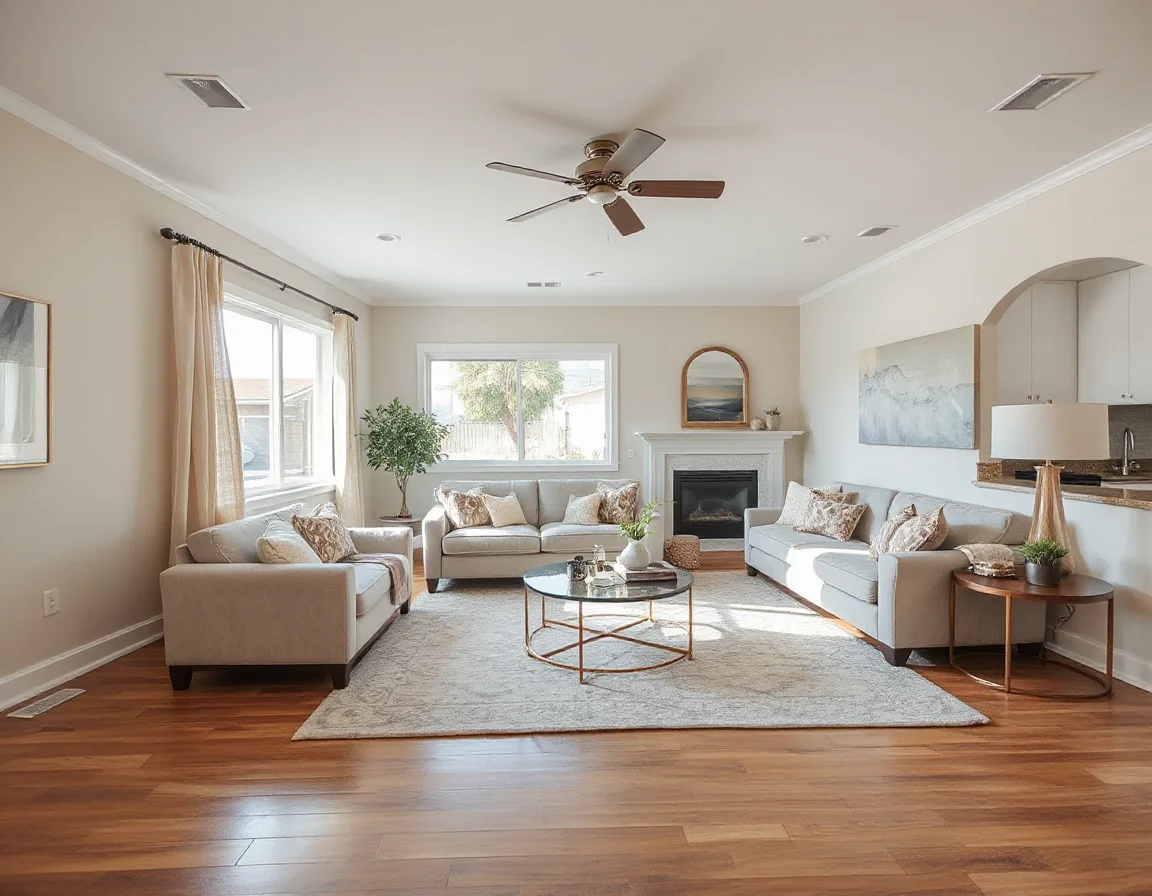
4. Inspections and specialized evaluations. A general home inspection is a common buyer expense and can provide a detailed overview of visible conditions, including major systems and safety-related observations. Depending on the property, buyers may also choose specialized evaluations for roofing, sewer lines, chimneys, pools, pests, electrical components, foundations, or HVAC equipment. Not every property needs every inspection. The age, condition, location, disclosures, and inspector’s findings can help guide the decision.
5. Appraisal-gap and repair planning. If financing is involved, the lender typically requires an appraisal. When an appraised value comes in below the contract price, the buyer and seller may need to renegotiate, modify financing, or identify additional funds, depending on the contract terms. Separately, inspection findings may lead to repair requests, credits, or a decision to handle improvements after closing. It is wise to avoid budgeting every available dollar for the purchase itself. A reserve gives you flexibility if the home needs a water-heater service, a lock change, paint, appliance replacement, or another early project.
6. Insurance, taxes, and HOA obligations. Homeowners insurance must usually be arranged before closing, and premiums vary based on the home, coverage choices, deductible, insurer, and claims history. Property taxes may be collected through a mortgage escrow account or paid directly, depending on the loan setup. For a condominium, townhome, or planned development, HOA dues are another recurring cost to study. Review the HOA’s budget, rules, reserves, insurance information, meeting materials, and any pending assessments when those records are available. The monthly dues are only one part of the ownership picture.
For homes with an HOA, review the full document package before finalizing your budget. A low monthly dues figure does not replace understanding reserves, insurance coverage, maintenance responsibilities, and potential assessments.
7. Moving, utilities, and the first 90 days. The final cost category is often the easiest to underestimate because it includes many smaller decisions: movers or truck rental, utility deposits, internet setup, window coverings, landscaping tools, cleaning, storage, minor repairs, and new furniture or appliances. Prioritize what makes the property functional on day one. Cosmetic updates can often wait, while urgent repairs, smoke and carbon monoxide detectors, locks, plumbing issues, and basic maintenance deserve an early place in the plan.
Turn Estimates Into a Practical Downey Budget
Rather than relying on one broad number, create a simple worksheet with three columns: due before closing, due at closing, and due after closing. Add each estimate, note whether it is negotiable or fixed, and identify the source of the number. Your lender can help estimate financing-related charges; escrow and title professionals can explain transaction items; insurers can quote coverage; and inspectors can help clarify recommended follow-up work.
It also helps to compare homes based on total ownership readiness rather than price alone. A property with lower upfront maintenance needs may fit differently than one with a lower list price but immediate roofing, plumbing, or cosmetic projects. Similarly, HOA dues, insurance premiums, and utility patterns may influence the monthly budget long after the closing appointment. Use recent disclosures, inspection findings, and professional estimates to make an apples-to-apples comparison.
Keep the Offer Strong Without Losing Your Financial Cushion
Preparation gives buyers more options. When you know your likely cash-to-close range, have documentation ready for the lender, and understand the difference between required costs and optional upgrades, you can focus on the home’s condition and terms with less guesswork. A well-organized budget also makes it easier to respond if an inspection identifies a repair or if a lender asks for an updated document.
Downey buyers do not need to predict every dollar perfectly before touring homes. The goal is to build a realistic range, ask detailed questions as new information arrives, and preserve room for the practical costs of settling in. With broker-level guidance from Wesly Iniguez and LA Best Homes, buyers can approach homes, land, and units across Southern California with a clearer view of both the opportunity and the numbers behind it.