
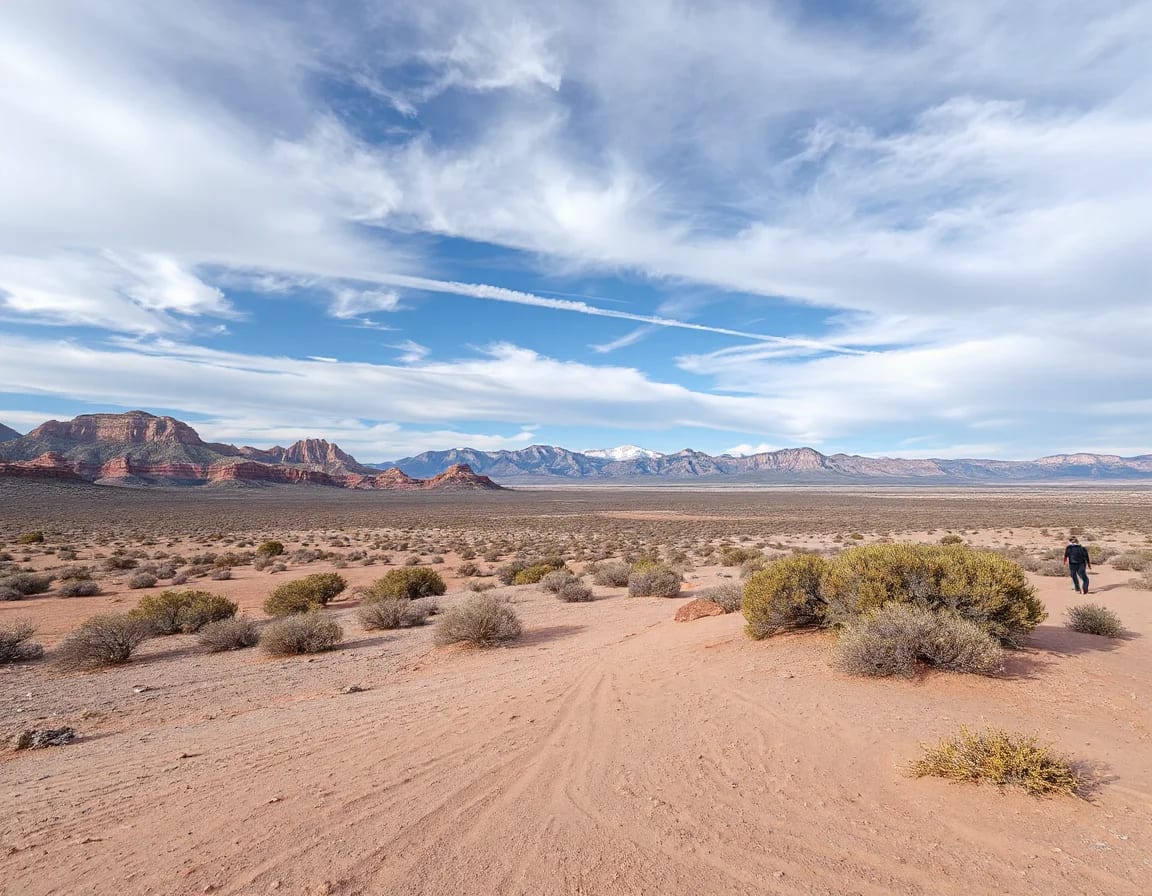
Buying land in Southern California can create room for a future home, agricultural use, recreation, or a long-term investment—but a vacant parcel requires a different level of research than an existing house. Before making an offer, confirm what can be built, how the site will be reached and served, and which costs belong in your total budget. A careful due-diligence period can turn an exciting opportunity into a well-informed decision.
Begin With the Parcel, Not the Price Tag
Vacant land can look wonderfully simple: an open view, a boundary line on a map, and a price that may seem lower than nearby homes. The practical picture is usually more detailed. A parcel’s value depends on its legal access, zoning, topography, available utilities, environmental conditions, and the cost of preparing it for the use you have in mind. Two lots with the same acreage can have dramatically different timelines and budgets.
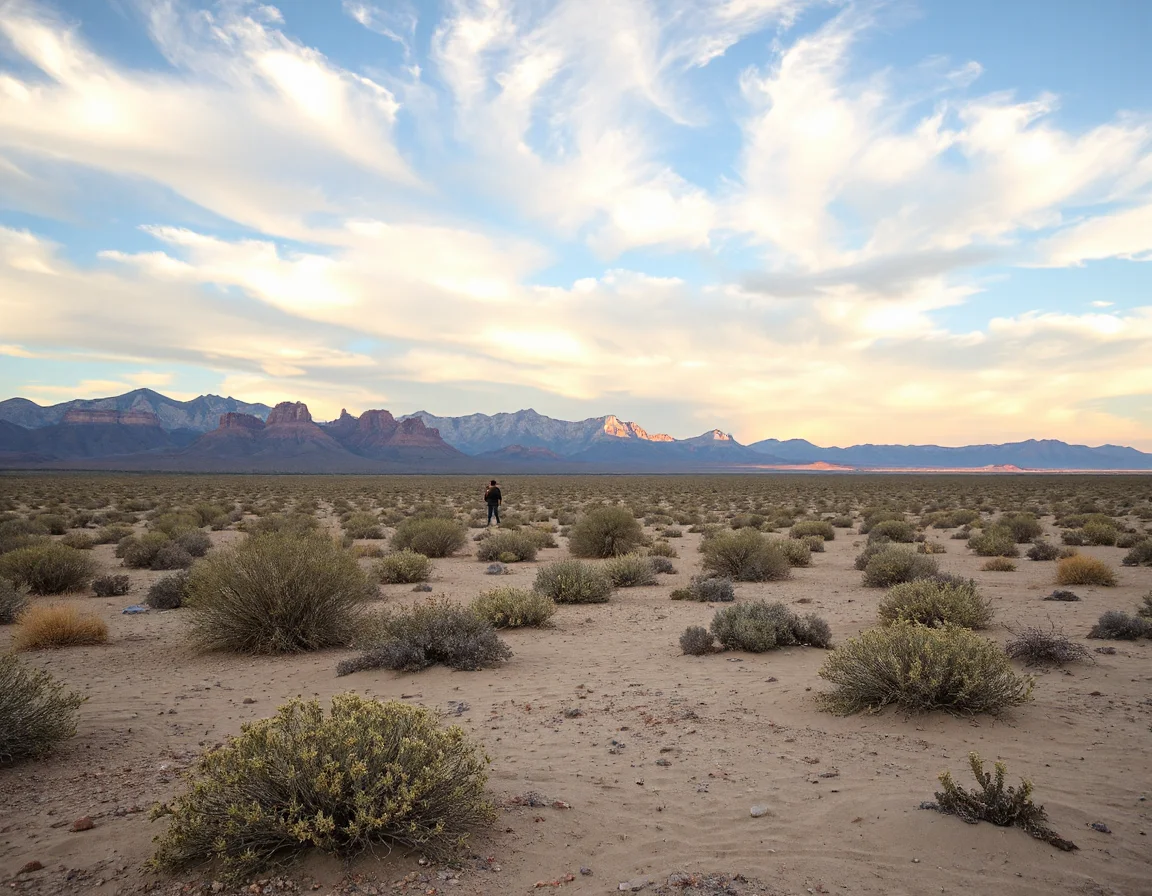
Start by identifying the exact parcel. Ask for the assessor’s parcel number, legal description, recorded map, and current tax information. Online listing maps are useful for orientation, but they are not a substitute for a survey or title review. Property lines shown on a satellite image may be approximate, and visible fences, roads, washes, or utility poles do not necessarily establish ownership or access rights.
It is also wise to visit the property at more than one time of day if possible. Notice the road conditions, slope, drainage patterns, nearby land uses, and the distance to services. Southern California includes coastal, urban, foothill, valley, and desert environments, so conditions can change quickly from one community to the next. A parcel that is easy to reach after a dry week may feel very different after seasonal weather.
A low purchase price is only one line in the budget. Site work, utility connections, permits, studies, financing terms, and ongoing carrying costs can be the larger part of a land purchase.
Before becoming attached to a particular view or acreage count, write down your intended use in plain language. Are you considering a future residence, a manufactured home where permitted, an accessory structure, agricultural activity, storage, or simply holding the land? That goal will guide the questions you ask the local planning department and help you compare properties on more than appearance alone.
Confirm Zoning, Land Use Rules, and Building Potential
Zoning is one of the first items to verify because it establishes the baseline for what may be allowed on the site. County and city codes can address permitted uses, minimum lot size, building height, setbacks, parking, animal keeping, signage, density, and requirements for accessory structures. Do not rely solely on a listing description that says “buildable” or “ready to build.” Those phrases can mean different things depending on the parcel and jurisdiction.
A direct conversation with the appropriate planning office can clarify the current zoning designation and whether your intended use appears consistent with local rules. Ask whether there are overlays, specific plans, hillside restrictions, conservation areas, or special districts affecting the property. If you hope to divide land in the future, ask separately about subdivision requirements; owning several acres does not automatically mean the property can be split.
Setbacks and easements deserve close attention as well. Easements may give another party the right to use a portion of the parcel for access, utilities, drainage, or other purposes. They can be essential for reaching a landlocked parcel, but they can also limit where improvements may be placed. A preliminary title report and, when appropriate, a surveyor’s input help reveal details that are not obvious during a site visit.
For buyers planning construction, it can be helpful to request a pre-application meeting or preliminary guidance from planning and building staff before removing contingencies. This step does not guarantee approval, but it can identify major questions early. A qualified land-use professional, civil engineer, architect, or contractor may also help estimate what the site will require before plans move forward.
Discuss a Southern California land purchase
Budget for Access, Utilities, Water, and Site Preparation
Road access is more than a convenience; it can affect financing, construction logistics, emergency service access, maintenance, and resale. Confirm whether access comes from a public road, a recorded easement, or a private road agreement. If a private road is involved, ask who maintains it, how costs are shared, and whether the agreement is recorded. A dirt route visible on a map may not provide legal, insurable, or year-round access.
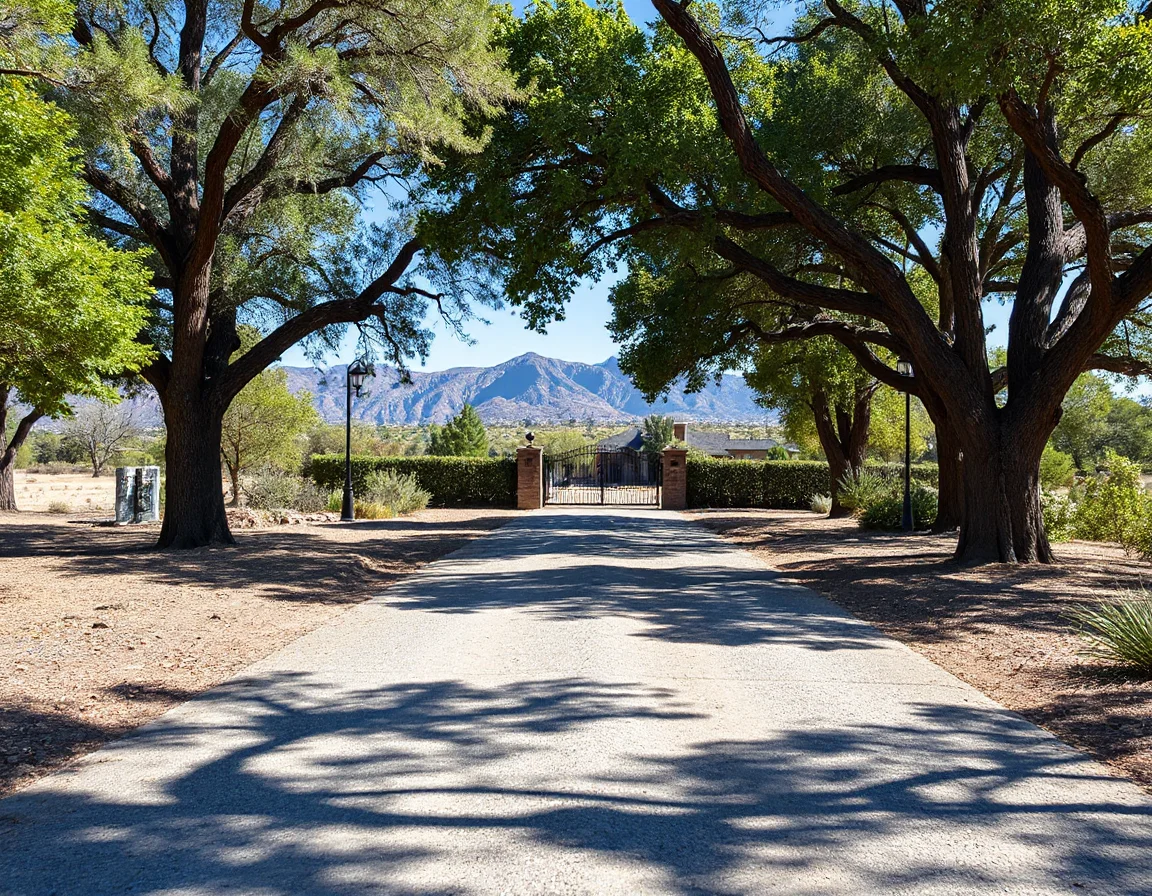
Utilities can be the biggest variable in a vacant-land budget. Determine whether electric service is at the parcel boundary, across the street, or much farther away. Ask the utility provider about extension costs, capacity, required applications, and realistic lead times. The same approach applies to natural gas, telecommunications, and public water and sewer where available. A nearby utility pole does not confirm that service is available at a specific cost.
Where public water or sewer is not available, buyers may need to investigate well potential and septic feasibility. Local environmental health departments typically provide guidance about septic requirements, while well professionals can explain testing and drilling considerations. Soil conditions, lot size, grading, and nearby wells can all influence the options. In some locations, water availability and hauling arrangements may be central planning issues rather than simple afterthoughts.
Site preparation can include grading, drainage improvements, retaining work, driveway construction, brush management, fencing, geotechnical reports, and soil testing. Sloped, rocky, or irregular land may be visually compelling, yet it can require more engineering before construction begins. Obtain estimates from professionals familiar with the relevant municipality and terrain, and leave room in the budget for conditions discovered during inspections.
Ask each utility provider and local agency for information tied to the assessor’s parcel number, not just the street name. Service availability can differ from one side of a road or wash to the other.
Use a Thorough Due-Diligence Timeline
Land buyers benefit from an offer strategy that allows enough time to investigate. The exact contingency structure depends on the transaction and local practice, but the purpose is straightforward: use the review period to gather documents, visit the site, speak with agencies, evaluate title, and obtain professional opinions before making a final commitment.
Useful documents may include the preliminary title report, recorded easements, parcel map, zoning confirmation, tax records, road-maintenance agreements, utility correspondence, well or septic records when available, and any prior engineering or environmental reports. If the property is near mapped flood zones, wildfire hazard areas, fault zones, washes, protected habitat, or other regulated features, learn what those designations mean for your intended use. These conditions do not automatically prevent ownership or development, but they may affect insurance, permitting, construction methods, timelines, and costs.
Financing deserves early attention, too. Land loans often have different down-payment, term, appraisal, and underwriting requirements than conventional home loans. Some buyers use cash, while others explore specialized lending or later construction financing. Comparing options before writing an offer can help align the purchase price with the full cost of holding and improving the land.
Experienced guidance matters because the questions are connected. A broker with knowledge of Southern California land transactions can help organize the process, identify items for further review, and keep the conversation focused on the parcel’s documented potential rather than assumptions. Wesly Iniguez and LA Best Homes bring broker-level experience to buyers considering homes, units, and land across a broad Southern California service area.
Make the Purchase Fit the Long View
A successful land purchase begins with curiosity and ends with clear documentation. The strongest opportunities are not always the ones that look easiest from the road; they are the parcels where the intended use, access, regulations, infrastructure, and budget make sense together. Take the time to confirm the fundamentals, obtain estimates in writing when possible, and consult the right local professionals for site-specific questions.
Whether the goal is to build later, hold acreage as part of a long-term plan, or pursue a permitted use that fits the property, informed preparation creates more confidence at every stage. With a disciplined review process, buyers can move beyond the open-land dream and make a decision grounded in practical details.